


The Environment
The environment includes everything around us—air, water, land, plants, animals, and even humans. It provides essential resources for life, such as oxygen, food, and shelter. However, human activities and natural processes are constantly changing the environment, sometimes in ways that can harm ecosystems and our quality of life.
Learn more:
Air
Water
Trees
Fun Facts About the Environment
Environmental issues Related
to the AIr
Air Pollution
Air pollution comes from vehicles, factories, power plants, and burning fossil fuels. It releases harmful gases like carbon monoxide (CO), sulfur dioxide (SO₂), nitrogen oxides (NOₓ), and particulate matter (PM2.5 and PM10) into the air.
Greenhouse Gas Emissions & Climate Change
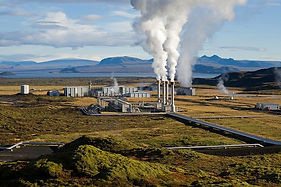
The release of carbon dioxide (CO₂), methane (CH₄), and other greenhouse gases traps heat in the atmosphere, leading to global warming. This causes rising temperatures, melting glaciers, stronger storms, and rising sea levels.
Environmental issues Related to water
water Pollution
Water pollution happens when harmful substances like chemicals, plastics, and waste enter rivers, lakes, and oceans. This pollution comes from factories, farms, sewage systems, and oil spills.
Plastic Pollution in Oceans

Millions of tons of plastic waste end up in the ocean every year. Plastics break down into tiny pieces called microplastics, which are eaten by fish and other sea creatures. This affects the entire food chain, including humans who consume seafood. Plastic pollution also harms marine animals like turtles and seabirds, which mistake plastic for food.
Environmental issues Related to TRees
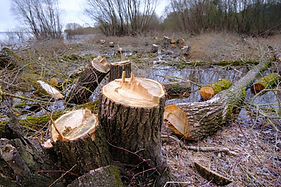
Deforestation
Deforestation is the large-scale clearing of forests for agriculture, logging, urban development, and infrastructure projects. It leads to loss of habitat, reduces oxygen production, and increases carbon dioxide (CO₂) levels, contributing to climate change. Rainforests like the Amazon, known as the "lungs of the Earth," are being destroyed at alarming rates, affecting global ecosystems.
Here Are 6 Amazing Environmental Facts
The environment is full of wonders, from the way nature works to the amazing creatures that call Earth home. Here are some fun and surprising facts about the environment that will make you appreciate our planet even more!
The World's Largest Biome

The Taiga, also known as the boreal forest, is the world's largest biome.Wrapping in a circumpolar belt around the upper Northern
Hemisphere, the Taiga accounts for 30% of the world's forest cover; 17% of the Earth's land surface area.
The Ozone Layer is on Track to Heal by 2066

The UN's Environment Agency (UNEP) has declared that if current policies remain in place, the ozone layer, the planet's protective shield of gas, is on track to be recovered in four decades.
This recovery was made possible due to the phaseout of nearly 99% of ozone-depleting substances, showing that if humans work together, we really can save the planet!
Fungi and Bacteria Help Manage the Earth

Certain species of fungi and bacteria drive the decomposition of organic matter. Without them, new plants would not be able to grow, and the forest floor would be buried under layers of dead matter.
Through the decomposition process, fungi release nitrogen and other nutrients into the soil, which are needed for plants to grow and thrive.
Most Of The World's Water Is Salty

97% of Earth's water is actually salt water found in the oceans.
While about 3% of Earth's water is fresh, only about 0.5% of that is available and usable. 2% of the Earth's supply of fresh water is in glaciers and ice caps.
More than Half of all life on Earth Lives Underground

About 59% of all species live in soil, making it the most biodiverse habitat on Earth. The creatures that live there include 99% of Enchytraeidae worms, 90% of fungi, 86% of plants, more than 50% of bacteria, and 3% of mammals.
Saharan Desert Winds Fertilize The Amazon Basin

How? Northeasterly trade winds blow from the Sahara across the Atlantic; and the desert dust carried on these winds helps fertilize the Amazon Basin, which home to some of the most diverse ecological communities on the planet.
In reality, it's not actually the dust, but the nutrients that it carries — especially phosphorus, which is a key nutrient for plants to grow and survive.